

20 Aug The Courage Tax
Every VC says the same thing. They love bold founders. They’re hunting for the next 100x. They want someone who thinks big and isn’t afraid to break things.
They say it all the time, in every meeting, on every podcast, in every deck. And a lot of them keep saying it long after their own actions have already proven it isn’t true. At some point that’s not a mixed signal. That’s either denial or a lie.
I won’t tell you most VCs fold when things get real. I don’t have the numbers to back that up. What I can tell you is a good amount do, more than should be acceptable from people whose entire job is supposed to be underwriting risk.
And here’s what nobody tells you, the part that actually hurts. They don’t leave. Leaving would be a favor. They stick around, panicked, and make everything worse.
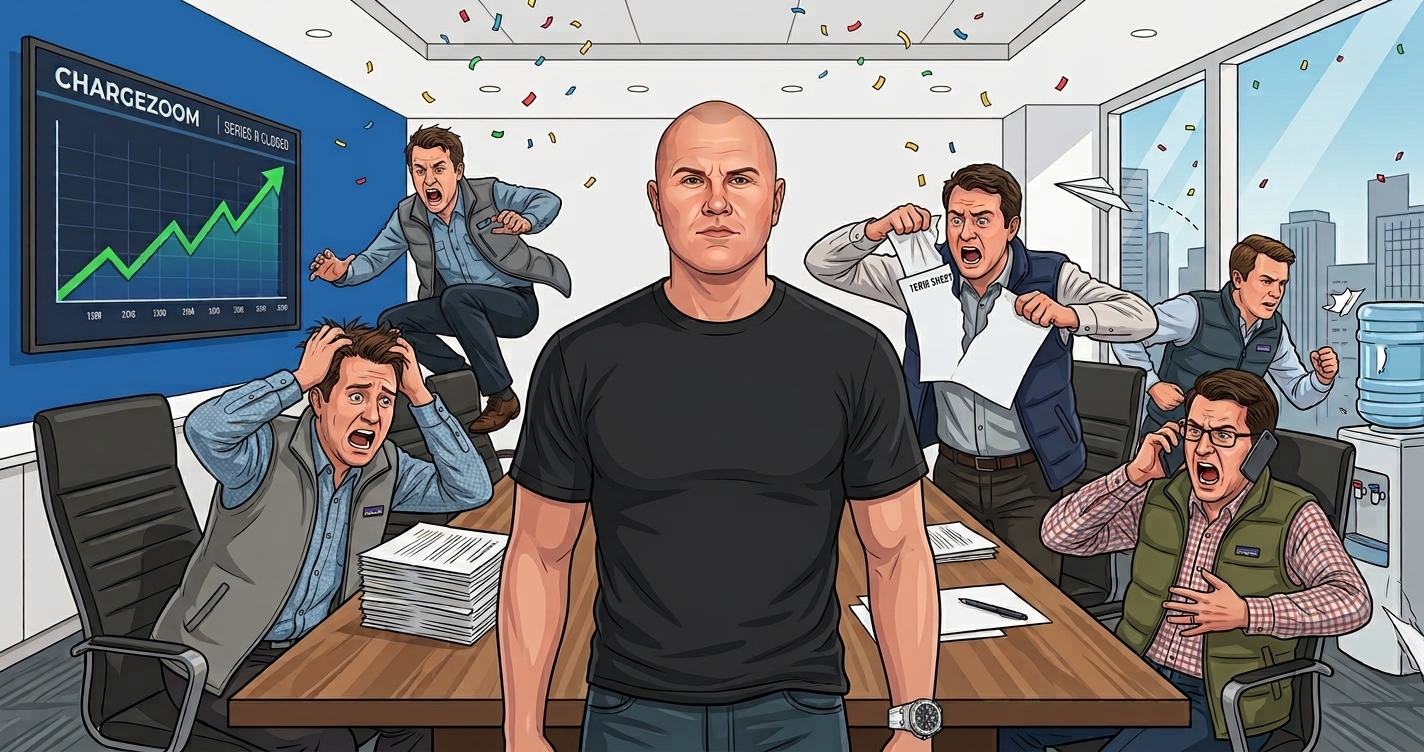
I’ve lived this. A VC talks a big game about disruption right up until the disruption is real and their name is on it. The second your plan means pissing off an incumbent, or breaking some assumption everyone agreed not to touch, they don’t go quiet. They show up more. More calls. More “just checking in.” More nervous energy dumped on you while you’re already fighting the hardest battle of your company’s life. You needed a steady hand. You got another fire to put out.
That’s the real damage. Not the ones who bail. The ones who stay and become a distraction the second you actually need help.
They’re supposed to be the sherpa, not the storm
A good investor is supposed to be the guy who’s been up the mountain before. Seen the weather turn. Knows which cliffs are actually deadly and which ones just look scary. That’s the whole reason you take their money instead of just bootstrapping the thing yourself. They’ve done this. You haven’t. When it gets hard, they’re supposed to be the steady one in the room.
Here’s the ugly truth nobody says out loud. A lot of tier B and tier C VCs have never been up that mountain. Not once. They read about it. They sat on boards for companies that had a smooth ride. But they’ve never been in the room when a company was actually on the edge and had to make a scary call to survive. So the first time it happens for real, they don’t have the guts or the instinct to help you through it. They panic right alongside you. Except they’re supposed to be the calm one. That’s literally what you paid them for.
That’s what makes their money more expensive than it looks on the cap table. Forget the dilution for a second. The real cost shows up the day you need them to be seasoned and you find out they’re not.
You don’t get gambler returns with banker nerves
Big returns don’t come from safe plays. Never have. Every company that actually changed something looked reckless to a guy with a spreadsheet, right up until it worked. Then everybody acts like it was obvious the whole time. It wasn’t obvious. It was genuinely scary and somebody had the stomach for it anyway.
If a VC wants a shot at 100x, they need to be able to sit across from a founder in the middle of a real crisis and not fall apart. That’s the job. Instead a lot of them want the upside of backing a wild swing with the stomach of a guy holding a CD at the bank. You don’t get both. You find out which one you actually hired the day it matters most, and by then it’s too late to renegotiate.
Nobody tells you this at the term sheet
Here’s what makes this dangerous if you’re early stage. These are the same investors who sold you on loving bold founders. It was in the pitch. It was on the call. Maybe it was in the deck they emailed you. Back bold founders. Support big thinking. Then the first real test hits, and at this stage it hits early, and instead of the composure they promised, you get their fear, live, pointed straight at you.
You’re already carrying enough weight. You don’t need an investor who was never built for this stage dumping their panic on top of yours and calling it “being involved.”
Build anyway
I’m not telling you don’t raise money. I’m telling you to find out who’s actually been up the mountain before you hand them a board seat. The wrong ones don’t disappear when it gets hard. They stay, and now the hardest moment of your company’s life includes managing them too.
If you’re building something that actually matters, it’s going to get hard. That’s not a red flag, that’s the job. Just make sure the people sitting next to you when it happens have actually been through it before, and not just talked about it in a pitch meeting.